HVAC Maintenance Checklist for Every Season
Your HVAC system is a bit like a houseguest who lives in the basement, attic, closet, crawl space, or garage and quietly eats half your utility budget. Most of the time, it behaves. Then one day it starts clanking at 2 a.m., blows lukewarm air during a heat wave, or chooses the first freeze of the year to reveal its flair for drama.
Seasonal HVAC maintenance is how you keep that guest polite.
A good maintenance routine does not need to be theatrical. You do not need a utility belt, a clipboard, and a theme song. You do need a few consistent habits, a sense for what looks and sounds wrong, and the humility to call a qualified heating contractor, air conditioning contractor, electrician, or furnace repair service before a small issue turns into a wallet-sized crater.
The trick is timing. HVAC systems fail under load, which means air conditioners tend to quit when the weather is hot enough to make asphalt feel emotional, and furnaces tend to fail when every service truck in town is already booked. Seasonal maintenance shifts the odds in your favor.
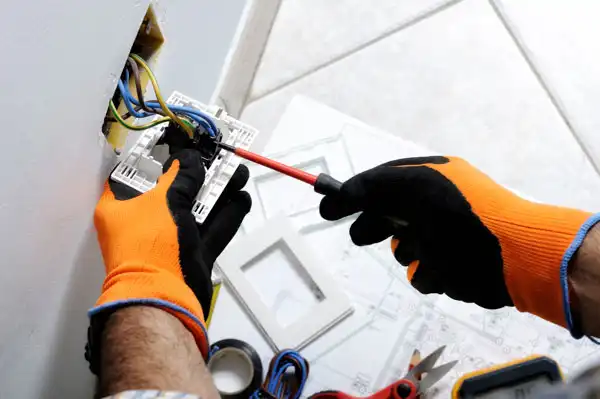
The rhythm of HVAC maintenance
HVAC maintenance works best when it follows the weather rather than the calendar alone. Spring is for getting cooling equipment ready before it is asked to work all day. Summer is for helping the system survive heavy use. Fall is when heating equipment gets inspected before the first cold snap. Winter is for watching performance, safety, airflow, and fuel use.
If you have a heat pump, the game changes slightly because the same system may heat and cool year-round. Heat pump installation has become more common in many regions, and for good reason, but these systems need attention before both cooling and heating seasons. They do not get a long off-season nap like some furnaces or older air conditioners.
The home itself matters too. A newer, tightly sealed house with good insulation may not punish HVAC equipment as much as an older home with leaky ducts and windows that whistle during a breeze. Homes with pets, smokers, nearby construction dust, wood-burning fireplaces, or high pollen loads need more frequent filter changes and coil cleaning. If you have ever pulled a filter out and found what appears to be a felt blanket made of golden retriever, you already understand.
Spring: wake up the cooling system before summer starts yelling
Spring HVAC maintenance is the difference between discovering a weak capacitor on a mild Tuesday and discovering it during a 97-degree Saturday when every air conditioning repair service has a phone queue long enough to need snacks.
Start with the basics indoors. Replace or inspect the air filter. A standard one-inch filter may need changing every one to three months, depending on dust, pets, and system use. Thicker media filters can last longer, but “longer” does not mean “until the next Olympics.” A dirty filter restricts airflow, and poor airflow can make an air conditioner freeze up, run longer, cool poorly, and stress the blower motor.
Then check your thermostat. If it still uses batteries, change them before they leak, corrode, or quit during a dinner party. If you have a programmable or smart thermostat, confirm the schedule still matches your life. Many homeowners pay to cool an empty house because the thermostat is still honoring a schedule from three jobs and two school years ago.
Outside, give the condenser some breathing room. The outdoor unit needs airflow to reject heat. Grass clippings, cottonwood fluff, leaves, mulch, weeds, and ambitious shrubbery can choke the coil. Keep vegetation at least about two feet away from the sides when possible, and avoid stacking garden supplies, hoses, or patio furniture against it. Your condenser is not a shelving unit, though many homeowners treat it like one with electrical opinions.
A professional air conditioning tune-up in spring usually includes checking refrigerant pressures, testing capacitors and contactors, measuring temperature split, inspecting electrical connections, cleaning the condenser coil, checking the condensate drain, and making sure the system starts and runs properly. Refrigerant is not “used up” like gasoline. If it is low, there is likely a leak, and simply topping it off is not a real repair. It is more like refilling a tire every morning and calling yourself a mechanic.
The condensate drain deserves special respect. Air conditioners remove humidity, and that water has to go somewhere. A clogged drain can shut down the system or send water where water has no business going. I have seen ceiling stains, soaked insulation, ruined flooring, and one very unhappy homeowner who thought the upstairs air handler was “just sweating a little.” It was not. It was staging a small indoor pond.
Spring is also a smart time to look at related home systems. Poor drainage near the foundation, clogged gutters, or plumbing leaks can increase humidity and make cooling less comfortable. A plumber handling plumbing leak repair or drain cleaning may not seem connected to your air conditioner, but moisture problems often gang up together. Your HVAC system can dehumidify, but it should not have to fight a wet crawl space like it is training for a triathlon.
A short spring checklist worth taping inside a utility closet
Use this list once the weather starts warming but before peak cooling season. It is not fancy. Fancy is overrated. Effective is better.
- Replace or inspect the air filter, then write the date on the filter frame.
- Clear leaves, grass, lint, and weeds from around the outdoor condenser.
- Test cooling mode on a mild day and listen for unusual buzzing, rattling, or hard starts.
- Check that the condensate drain is clear and the drain pan is dry, unless the system has just been running.
- Schedule professional air conditioning maintenance if it has been a year or more since the last service.
That last item is where homeowners sometimes hesitate. Fair enough. Nobody wakes up excited to schedule maintenance. But a trained technician can spot electrical wear, weak capacitors, dirty coils, low airflow, failing blower motors, duct issues, and refrigerant concerns before they become a sweaty emergency. Service Lion Plumbing Heating Air Electric, for example, operates across multiple trades, which can be useful when an HVAC issue turns out to involve wiring, drainage, or another house system wearing a fake mustache.
Summer: keep the cold air moving and the panic low
During summer, maintenance becomes less about preparation and more about survival. Your air conditioner may run for hours at a time, especially during a heat wave. That is normal. What is not normal is short cycling, blowing warm air, tripping breakers, freezing refrigerant lines, or making sounds like a dishwasher full of spoons.
Airflow is the big summer theme. Keep supply vents open and unobstructed. People sometimes close vents in unused rooms thinking they are saving energy, but residential duct systems are usually designed for a certain airflow balance. Close too many vents and pressure rises in the ductwork, which can increase leakage, reduce efficiency, and strain the blower. Your system is not a hotel where unused rooms can simply be ignored. It is a loop, and loops get cranky when pinched.
Watch the filter more often during heavy use. In a dusty home, a filter that looked decent in May can become a gray wall by July. If your system has return grilles in multiple rooms, make sure furniture is not blocking them. A return grille behind a couch is not doing its best work. Neither would you.
Pay attention to the temperature difference between return air and supply air. Many properly operating central air systems produce a temperature drop somewhere around 15 to 20 degrees Fahrenheit under typical conditions, though humidity, airflow, system design, and outdoor temperature all affect that number. If the return air is 78 degrees and the supply air is 76, something is wrong. If the supply air is icy but airflow is weak, that is also suspicious. Cold air is only useful if it reaches the room instead of loitering inside a frozen coil.
Summer storms can add another wrinkle. Power surges, lightning, and utility fluctuations are hard on motors and circuit boards. If your outdoor unit will not start after a storm, check the breaker once, not twelve times. A breaker that trips repeatedly is not being difficult. It is warning you. That is when an electrician or HVAC technician should take a look. Resetting a tripping breaker again and again is the home maintenance version of poking a bear because the first poke did not clarify matters.
Humidity control is another clue. If the house feels clammy even when the thermostat says the temperature is fine, the system may be oversized, short cycling, low on airflow, or struggling with a dirty coil. Bigger air conditioners are not automatically better. Oversized units can cool too quickly without running long enough to remove humidity. The result is a house that feels like a cave with furniture.
Fall: get the heating system ready before the first cold snap
Fall maintenance has a certain dignity. The leaves turn, the evenings cool, and furnaces everywhere clear their throats like old men at a town meeting.
Before heating season begins, run the heat briefly. Yes, you may smell that dusty burn-off odor the first time the furnace fires after months of sitting. It should fade quickly. If you smell gas, rotten eggs, electrical burning, or smoke, shut the system down and call for help. Gas appliances deserve respect, not optimism.
For gas furnaces, a fall tune-up typically includes inspecting burners, checking flame quality, testing safety controls, measuring gas pressure where appropriate, checking the heat exchanger visually, verifying venting, inspecting the blower, and testing ignition components. A cracked heat exchanger can create carbon monoxide risk, though not every scary furnace noise means disaster. This is why actual diagnosis matters. A good furnace repair service does not diagnose by shrugging at the return grille.
Carbon monoxide detectors should be tested before heating season. Place them according to manufacturer instructions and local guidance, especially near sleeping areas. Replace units when they reach their listed end-of-life date. That annoying chirp at 3 a.m. May be a battery complaint, or it may be the detector asking to retire from public service.
If you have a boiler, radiant system, or gas installation service equipment feeding appliances, fall is also a sensible time for inspection. Sediment, pressure issues, expansion tank problems, failing circulators, and venting issues tend to appear just when the heat matters. Hydronic systems are wonderfully comfortable when maintained and impressively stubborn when neglected.
Heat pumps need fall attention too. In heating mode, frost can form on the outdoor coil, and the system should periodically enter defrost mode. A light frost is normal. A block of ice worthy of a seafood market is not. Defrost problems can involve sensors, refrigerant issues, control boards, outdoor fan trouble, or airflow restrictions. Do not attack the coil with a screwdriver. Many coils have been murdered by enthusiasm.
Fall is also the season to look at ductwork. Leaky ducts in an attic or crawl space can waste heated air before it ever reaches your living room. If one bedroom is always cold while the rest of the house is comfortable, the problem may be duct design, insulation, balancing, or an airflow restriction. Space heaters become tempting in these rooms, but they add electrical load and fire risk when used carelessly. If you rely on one every night, the room is trying to tell you something.
Winter: monitor comfort, safety, and strain
Winter maintenance is mostly watchfulness. Once the heating system is running daily, you are looking for changes. A furnace that starts booming on ignition needs attention. A heat pump that runs constantly may be normal in very cold weather, but if backup heat runs excessively or the house never reaches setpoint, you need diagnosis. A boiler that loses pressure repeatedly is not “just moody.” It may have a leak, expansion issue, faulty relief valve, or other problem.
Do not ignore rising utility bills. Rates change, weather varies, and holiday guests have been known to open exterior doors as if auditioning for a barn documentary. Still, a sudden jump in energy use can point to system trouble. Dirty filters, failing motors, leaky ducts, stuck dampers, refrigerant issues in heat pumps, or electric resistance backup heat running too much can all show up on the bill before they show up as total failure.

Keep vents and returns clear. Winter is prime time for rugs, pet beds, toy bins, and furniture migrations. A supply register under a bookcase is not a supply register anymore. It is a warm little cave for dust.
If you have a humidifier attached to the HVAC system, inspect it according to the manufacturer’s directions. Replace pads as needed and watch for mineral buildup. Whole-house humidifiers can improve comfort, but too much indoor humidity in cold weather can cause window condensation, mold risk, and moisture inside wall cavities. The goal is comfort, not turning the house into a botanical garden.
Winter is also when electrical issues can surface because homes run more lighting, heaters, holiday decorations, and appliances. A lighting contractor or electrician may be needed if circuits flicker, breakers trip, or outlets warm up under load. HVAC equipment has electrical components too, and loose connections can create intermittent failures that make everyone involved question reality.
The less glamorous maintenance nobody brags about
Filters and tune-ups get the attention, but the dull supporting cast matters.
Drainage matters. Air conditioners and high-efficiency furnaces produce condensate. That water must drain properly. A clogged condensate line can stop a system, damage walls, or create mold-friendly dampness. In some homes, condensate drains tie into plumbing systems, and clogs can overlap with broader drain problems. When rooter service, hydrojetting, or drain cleaning is needed elsewhere in the house, it is worth making sure HVAC drain lines are not contributing to the mess.
Water quality matters in homes with humidifiers, boilers, or certain water-heated systems. Hard water leaves scale. Scale reduces efficiency and damages equipment. Water softener installation can make sense in areas with significant hardness, especially when water heaters, fixtures, and appliances show mineral buildup. It is not strictly HVAC maintenance, but houses do not care about trade categories. They care about physics.
Water heaters deserve a mention because they often share mechanical rooms, gas lines, venting paths, and maintenance schedules with HVAC equipment. Water heater repair and water heater installation should include attention to combustion air, venting, drainage pans where required or wise, and clearances. A crowded mechanical closet full of lint, paint cans, and mystery boxes from 2008 is not ideal for anything that burns fuel or moves air.
Plumbing problems can also affect indoor humidity and comfort. A slow leak under a slab, inside a wall, or in a crawl space can make the air feel damp, encourage mold growth, and force the cooling system to work harder. Plumbing repiping may be necessary in homes with failing pipes, chronic leaks, or obsolete materials. Again, not glamorous. Then again, neither is replacing subfloor because a tiny leak spent six months being sneaky.
Septic system service may seem far from HVAC, but homes with damp yards, poor grading, or septic drainage issues can have higher crawl space moisture. That moisture can rust ductwork, damage insulation, and worsen indoor air quality. The house is a single organism, though admittedly one with too many access panels.
The twice-a-year professional visit: what good service actually looks like
A proper professional maintenance visit should involve measurements, inspection, cleaning, and communication. It should not be a technician glancing at the outdoor unit, patting it affectionately, and leaving an invoice on the porch.
For cooling, expect attention to coils, refrigerant performance, electrical components, blower operation, thermostat function, condensate drainage, and overall airflow. For heating, expect safety checks, ignition and combustion review where applicable, venting inspection, blower and filter checks, controls testing, and temperature rise measurements. Exact procedures vary by equipment type, but the theme is the same: verify that the system runs safely, efficiently, and within expected ranges.
Good technicians explain findings in plain language. They can tell you whether a part is failed, weak, dirty, unsafe, or simply aging. Those words matter. A weak capacitor is different from a dead compressor. A dirty flame sensor is different from a cracked heat exchanger. A system nearing the end of its service life is different from one that needs a modest repair.
Be wary of anyone who turns every visit into a funeral for your equipment. Also be wary of the opposite, the cheerful wave that says everything is fine despite obvious symptoms. The best contractors live in the middle, where facts, measurements, and experience sit down together and behave.
A practical yearly schedule for normal households
This second and final list gives you the broad timing. Adjust it for climate, equipment type, pets, dust, and common sense.
- Spring: schedule cooling maintenance, clean around the outdoor unit, and verify condensate drainage.
- Summer: check filters monthly during heavy use and watch for weak airflow, ice, or unusual noises.
- Fall: schedule heating maintenance, test carbon monoxide detectors, and run the heat before cold weather settles in.
- Winter: monitor utility bills, comfort changes, ignition behavior, and backup heat use if you have a heat pump.
- Year-round: keep vents and returns clear, respond quickly to leaks, and do not ignore breaker trips or burning smells.
This schedule will not guarantee that nothing ever breaks. Machines are rude that way. But it lowers the chance of surprise failures, improves efficiency, and gives you time to plan repairs instead of making expensive decisions while sweating through a shirt you liked.
When to call a professional immediately
Some HVAC symptoms are not “keep an eye on it” situations. If you smell gas, leave the area and contact the gas utility or emergency services according to local guidance. If carbon monoxide alarms sound, take them seriously. If a breaker trips repeatedly, stop resetting it. If you see scorch marks, melted wire insulation, or smell electrical burning, shut equipment off if it is safe to do so and call an electrician or HVAC professional.
Water around HVAC equipment also deserves quick attention. A little condensation on refrigerant lines can be normal, but standing water, overflowing pans, wet ceilings, or damp electrical compartments are trouble. Water and electricity have never been a charming couple.
Ice on the air conditioner or heat pump coil is another case where patience is overrated. Turn cooling off, let the ice melt, and call for diagnosis. Running a frozen system can damage the compressor. The cause may be a dirty filter, low refrigerant, a blower problem, a dirty evaporator coil, or restricted ductwork. Guessing rarely saves money.
No heat in freezing weather needs urgency, especially in homes with vulnerable occupants or pipes at risk of freezing. A furnace repair service may find something simple, like a failed ignitor or dirty flame sensor, but waiting can turn a mechanical issue into plumbing leak repair if pipes freeze and split. Homes have a talent for turning one problem into a group project.
Why maintenance saves money even when nothing dramatic happens
The best HVAC maintenance often feels uneventful. No heroic rescue. No technician emerging from the attic like an action star. Just a system that runs, bills that stay reasonable, and rooms that feel comfortable.
That uneventfulness has value. Dirty coils make systems run longer. Weak capacitors stress motors. Low airflow reduces efficiency and comfort. Clogged drains cause water damage. Loose electrical connections create heat and intermittent failures. Poor combustion can waste fuel and create safety concerns. Each issue may start small, but small HVAC problems are rarely ambitious enough to remain small forever.
Maintenance also helps you plan replacement. If your air conditioner is 14 years old, your furnace is 20, or your heat pump has started needing frequent repairs, a good technician can help you understand likely timelines. That gives you the chance to compare options, consider efficiency ratings, evaluate ductwork, and think about whether a heat pump installation, furnace replacement, or hybrid system makes sense. Emergency replacement tends to narrow choices to whatever is available fastest, which is not always the same as what is best.
There is also comfort value that never appears neatly on a spreadsheet. Even temperatures, quieter operation, better humidity control, and fewer surprise breakdowns make a house easier to live in. Nobody writes poetry about stable indoor humidity, but maybe they should. It does a lot of thankless work.
The homeowner’s advantage: noticing what changes
You live with your HVAC system in a way no callservicelion.com Air conditioning repair contractor does. You know what it usually sounds like, how long it usually runs, which room is always stubborn, and whether the air smells different when the system starts. That familiarity is useful.
A technician may visit once or twice a year. You are there every day. If the outdoor unit suddenly sounds louder, the furnace takes longer to ignite, the thermostat setting no longer feels comfortable, or a vent that used to blow strongly now barely moves air, those observations matter. Mention them during service. Specific details shorten diagnostic time.
Instead of saying, “It seems weird,” try, “The heat pump has been running continuously since the last cold snap, and the auxiliary heat light comes on even when it is 45 degrees outside.” That sentence is gold. Or, “The air conditioning repair last summer helped, but the upstairs still climbs five degrees by late afternoon.” That points toward airflow, insulation, duct sizing, solar gain, or zoning rather than a simple equipment failure.
The best maintenance partnership combines homeowner awareness with professional testing. You notice changes. The technician measures what those changes mean. Together, you keep the mechanical houseguest polite, efficient, and less inclined toward midnight theatrics.
A final nudge before the weather gets rude
Seasonal HVAC maintenance is not about pampering equipment. It is about avoiding predictable pain. Change the filter. Clear the condenser. Test heating and cooling before you desperately need them. Treat water, wiring, gas, and combustion with respect. Schedule professional maintenance before the busy season turns every appointment calendar into a crowded elevator.
Your HVAC system does not ask for much. Airflow, cleanliness, safe electrical connections, proper drainage, sound controls, and the occasional skilled human with gauges and a flashlight. Give it those things, and it is far more likely to return the favor with quiet comfort.
Ignore it completely, and it may still run for a while. Many systems do. But eventually it will choose its moment, and HVAC equipment has a wicked sense of timing.
Name: Service Lion Plumbing Heating Air Electric
Address: 521 W Briardale Ave, Orange, CA 92865, United States
Phone: (657) 337-3622
Website: https://callservicelion.com/
Email: [email protected]
Hours:
Monday: Open 24 hours
Tuesday: Open 24 hours
Wednesday: Open 24 hours
Thursday: Open 24 hours
Friday: Open 24 hours
Saturday: Open 24 hours
Sunday: Open 24 hours
Open-location code: R48R+WV Orange, California, USA
Map/listing URL:
https://www.google.com/maps/search/?api=1&query=Google&query_place_id=ChIJQU4LBWHV3IARtnABtyykSA4
Google Map:
Socials:
https://www.facebook.com/ServiceLionCA/
https://www.youtube.com/channel/UCR_L35QzsRTxYZtX8PxJvPw
Local Service Information
Service Lion Plumbing Heating Air Electric provides plumbing, drain, heating, air conditioning, and electrical services from its Orange, California location.The company serves homeowners and properties throughout Orange and communities across Orange County and surrounding areas.
Available services include plumbing repairs, water heater work, drain and sewer services, heating and cooling service, electrical repairs, panels, lighting, outlets, and related home-system work.
Service is available for residential properties as well as light commercial needs described within the company's local service-area information.
The company's website emphasizes locally operated service, coordinated home-system support, and practical scheduling for plumbing, HVAC, and electrical needs.
The matching public business listing shows the Orange location as open 24 hours a day, seven days a week.
For service information or scheduling, call (657) 337-3622 or visit https://callservicelion.com/.
The public map listing identifies the business at 521 W Briardale Ave, Orange, CA 92865 and can be used for location and direction information.
Popular Questions About Service Lion Plumbing Heating Air Electric
What services does Service Lion Plumbing Heating Air Electric provide?
The company provides plumbing, drain and sewer, heating, air conditioning, and electrical services. Its published services include plumbing repair, water heaters, drain clearing, sewer work, HVAC repair and installation, electrical repairs, panels, circuit breakers, lighting, outlets, and related services.
Where is Service Lion Plumbing Heating Air Electric located?
The matching business location is 521 W Briardale Ave, Orange, CA 92865, United States.
What areas does Service Lion Plumbing Heating Air Electric serve?
The company serves Orange County and surrounding communities. Its published service-area information includes Orange, Anaheim, Brea, Yorba Linda, Fullerton, Huntington Beach, Newport Beach, Costa Mesa, Irvine, Lake Forest, and additional nearby cities.
Is Service Lion Plumbing Heating Air Electric open 24 hours?
The matching public business listing shows the location as open 24 hours on Monday through Sunday.
Does Service Lion Plumbing Heating Air Electric work on drains and sewer lines?
Yes. Published services include drain clearing, rooter service, camera inspection, hydro jetting, sewer line repair and installation, water line work, slab leak detection, and trenchless sewer line repair.
Does Service Lion Plumbing Heating Air Electric provide heating and air conditioning service?
Yes. Its published HVAC services include air conditioning repair and installation, heating service, furnace work, heat pumps, air ducts, indoor air quality assessments, and thermostat installation.
Does Service Lion Plumbing Heating Air Electric provide electrical service?
Yes. Published electrical services include repairs and installations, electrical panels, circuit breakers, safety inspections, lighting, outlets and switches, surge protection, generators, and EV charging equipment installation.
How can I contact Service Lion Plumbing Heating Air Electric?
Call (657) 337-3622.
Email: [email protected]
Website: https://callservicelion.com/
Facebook: https://www.facebook.com/ServiceLionCA/
Landmarks Near Orange, California
Old Towne Orange Historic District
A central historic district and useful geographic reference point for the Orange community.
Plaza Park
A well-known public gathering point in the center of Old Towne Orange.
Orange Public Library & History Center
A civic landmark serving residents near central Orange.
Hart Park
A major public park and recreation area south of central Orange.
Eisenhower Park
A public park serving neighborhoods in northern Orange.
Santiago Oaks Regional Park
A regional recreation and open-space landmark on the eastern side of Orange.
Irvine Regional Park
A large regional park and recognizable reference point east of the city.
Orange Park Acres
A distinctive residential community and service-area reference point in eastern Orange.
El Modena
An established Orange neighborhood that provides a practical local coverage reference.
Glassell Street
One of the city's principal north-south streets and a useful route through central Orange.
Lincoln Avenue
A major east-west roadway serving northern Orange and nearby communities.
State Route 55
A primary regional freeway connecting Orange with other parts of Orange County.